Empowering Health with Precision and Care

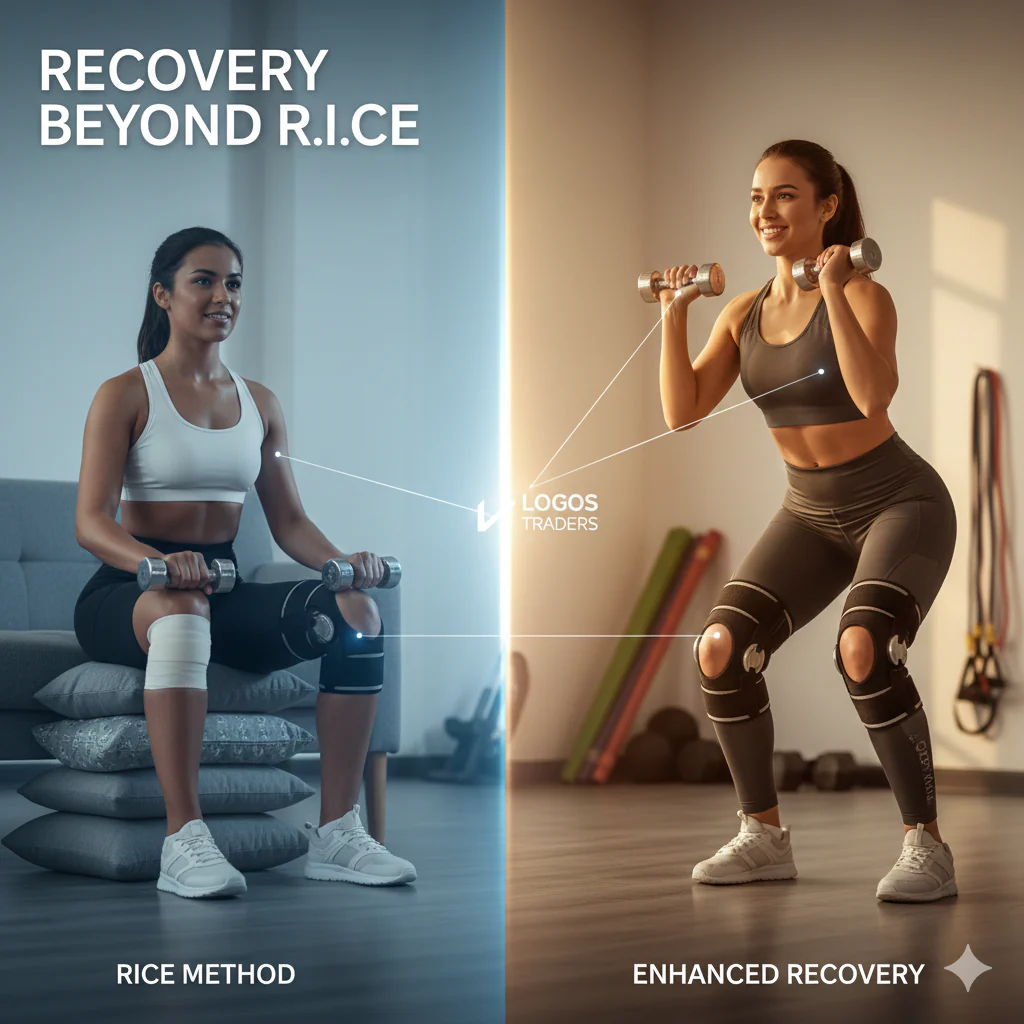
The RICE Method Is Not Enough: Enhancing Your Injury Recovery with Proper Support
For decades, the RICE method (Rest, Ice, Compression, Elevation) has been the cornerstone of initial injury management, particularly for acute sprains, strains, and minor soft tissue injuries. It’s an invaluable first aid protocol, offering immediate relief and helping to limit initial swelling and pain.
However, as medical understanding evolves, it’s increasingly clear that while RICE is a great start, it’s often not enough for comprehensive injury recovery. True healing and a successful return to full activity require a more active and supported approach, especially during the crucial sub-acute and rehabilitation phases.
This is where specialized injury recovery products, particularly high-quality orthopedic support braces and medical compression wear, become indispensable. They don’t just complement RICE; they elevate your recovery strategy, providing the sustained support and therapeutic benefits necessary to bridge the gap from initial injury to full function.
RICE: The Essential First Response
Let’s briefly recap why RICE is so important in the immediate aftermath of an injury:
- Rest: Prevents further damage to the injured area.
- Ice: Reduces swelling and pain by constricting blood vessels.
- Compression: Limits swelling and provides gentle support to the injured limb.
- Elevation: Uses gravity to drain fluid away from the injured area, further reducing swelling.
These steps are critical for controlling inflammation and pain, setting the stage for healing. But what happens after the initial swelling subsides? This is where the limitations of RICE become apparent.
Integrating Support into Your Recovery Timeline
Here’s how to integrate proper support into your recovery phases:
1. Acute Phase (0-72 hours):
Focus: RICE, pain management, protection.
Support: Gentle medical compression wear can be applied early to limit swelling. A basic brace may be used for initial immobilization if recommended by a professional.
2. Sub-Acute Phase (Days 3-14+):
Focus: Controlled movement, reduction of swelling, gentle exercises.
Support: This is where orthopedic support braces become crucial. Use the appropriate brace (e.g., hinged knee brace, semi-rigid ankle brace, lumbar support) for protection during activities and to facilitate guided exercises. Continue with compression sleeves for injuries to manage residual swelling.
3. Rehabilitation Phase (Weeks 2-Months):
Focus: Regaining strength, flexibility, endurance, and full range of motion.
Support: Wear your brace during specific exercises or activities where instability is a risk. Gradually decrease reliance on the brace as strength and stability improve. Continue with compression for post-activity swelling. These are effective rehabilitation aids during your physio sessions.
4. Maintenance/Return to Activity:
Focus: Preventing re-injury, conditioning, maintaining long-term joint health.
Support: You might wear a lighter brace or compression sleeve during sports or physically demanding activities as a preventative measure or for added confidence.
Conclusion: Elevate Your Healing Journey
The RICE method is a foundational pillar of injury care, but it’s only the beginning. To truly enhance your injury recovery, protect healing tissues, manage persistent swelling, and confidently regain strength and mobility, you need the advanced support that specialized orthopedic products provide.
By strategically incorporating orthopedic support braces and medical compression wear into your recovery plan, you are taking a proactive step towards accelerated healing, reducing the risk of re-injury, and ensuring a smoother, more effective return to your active life. Don’t just rest and wait; actively support your body’s incredible capacity to heal.
Ready to enhance your recovery beyond the basics? Explore Logos Traders’ curated selection of high-performance injury recovery products designed for your journey back to full health.